
Japan’s Winter Wisdom
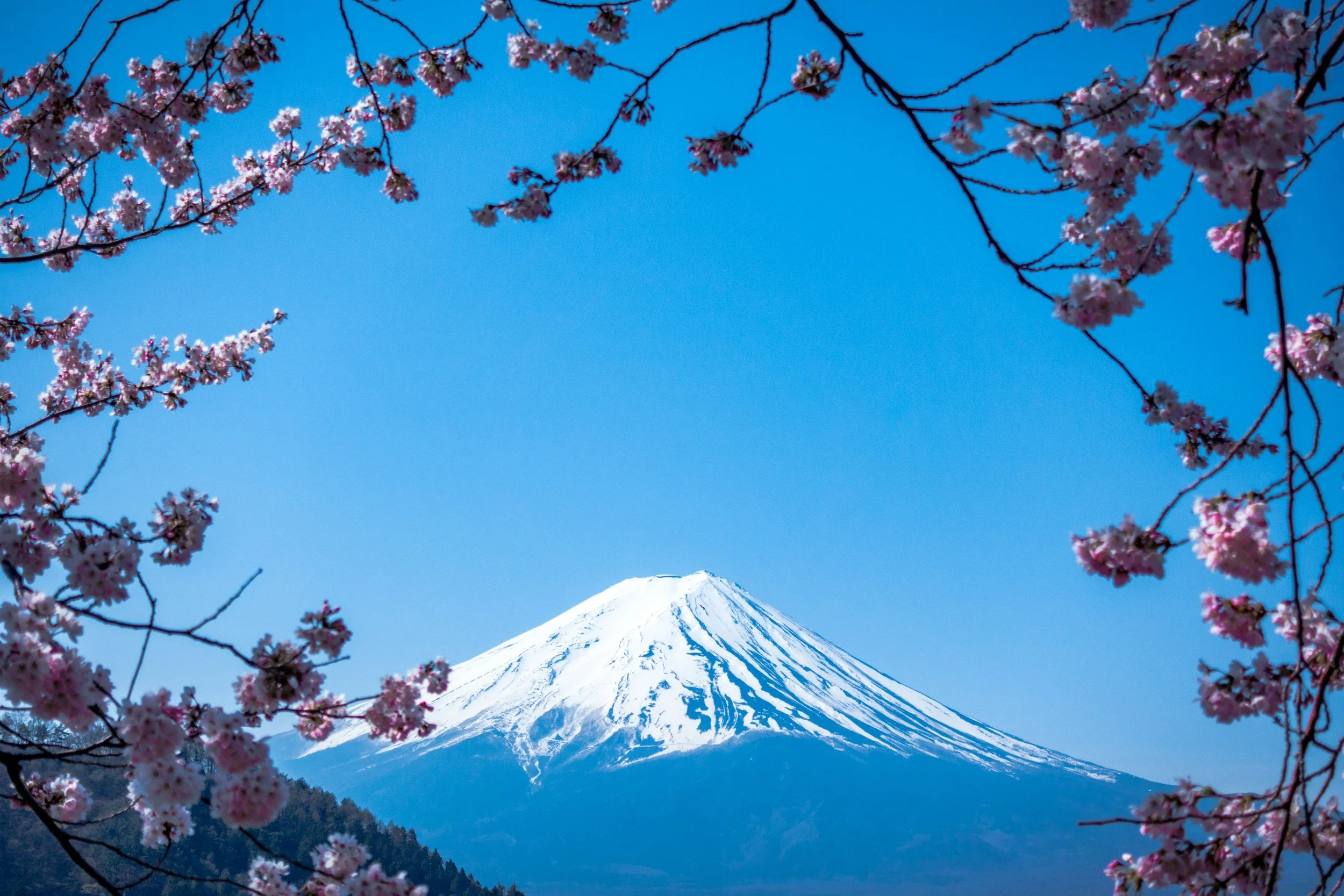
In many modern cultures, winter is treated as something to endure, an inconvenience, a grind, a season to fight against with artificial light, forced productivity, and fast motion. But in traditional Japanese philosophy, winter is not a problem to solve. It is a necessary phase of life.
Winter is understood as a time of conservation.
Rather than pushing outward, winter energy moves inward. The body, the land, and the spirit all begin to gather themselves. This way of seeing winter offers a powerful reframe. Rest is not laziness. Rest is preparation.
Winter Is for Holding, Not Blooming
In Japanese seasonal awareness, there is no expectation that every season should produce visible growth. Growth is cyclical. Some seasons are for expression. Others are for protection.
Winter is a season of holding.
Holding warmth.
Holding energy.
Holding life quietly beneath the surface.
Just as trees pull sap inward and seeds rest underground, humans are invited to slow their pace, simplify their days, and preserve vitality. This is not stagnation. Winter is wisdom.
The Practice of Ma
One concept that often surfaces in Japanese philosophy is ma, the intentional sacred space between things. Winter naturally creates more ma.
More silence.
More stillness.
More space between obligations.
Instead of filling that space with noise or guilt, winter invites us to respect it. What looks like “nothing happening” is often where restoration occurs.
Wabi Sabi and the Beauty of Impermanence
Winter also reflects wabi sabi, the acceptance of impermanence, incompleteness, and quiet beauty. Leaves fall. Days shorten. The world becomes more minimal.
Rather than resisting this bareness, Japanese aesthetics honor it.
There is beauty in fewer plans.
Beauty in simple meals.
Beauty in early nights and dim light.
Winter does not demand performance. Instead, Winter asks for presence.
Seasonal Living as Nervous System Care
When winter is honored instead of resisted, the nervous system responds. Slower mornings. Warmer foods. Less outward demand. More listening.
Seasonal alignment is not just cultural. It is physiological.
Cold months naturally call for:
warming foods and teas
earlier rest
gentler movement
reduced stimulation
This rhythm supports repair, immunity, and emotional regulation. Winter becomes a healing container, not a punishment.
Rest as an Act of Respect
In this way of seeing, rest is not earned. It is seasonal. You do not have to justify it. You do not need to hustle to deserve it. Winter reminds us that life does not bloom year round. Nothing blooms in January. But we have to shift our mindset to understand, that is not failure.
It is design.
When Spring comes, growth is possible why? Because winter was honored.